

Protecting the Quality of Chinese imports
China is known as the largest manufacturer in the world. The Asian superpower produces billions worth of products every year, accounting for almost a third of global production. Western companies ...
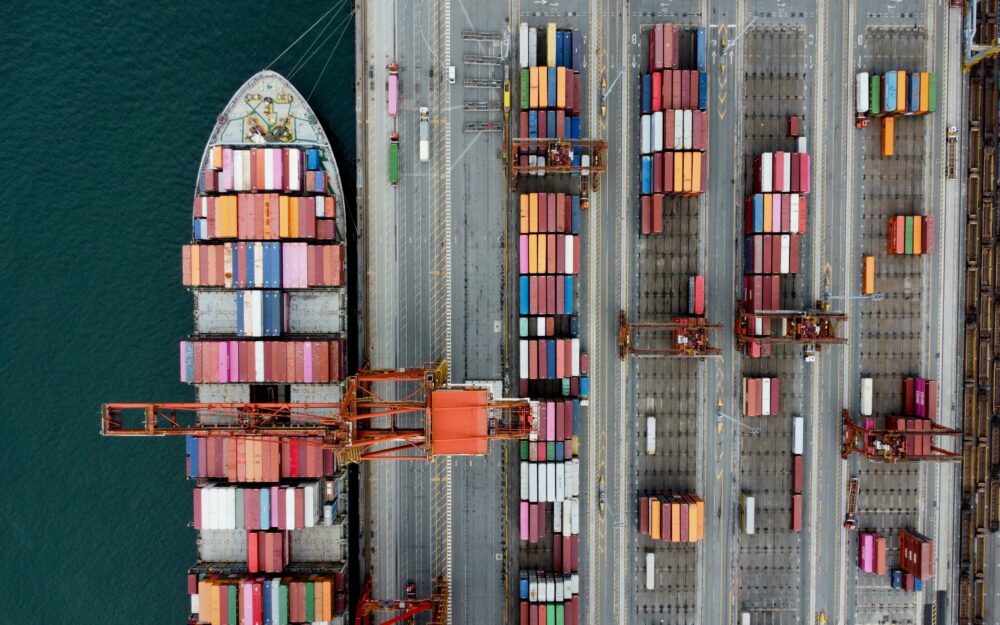
You’ve found the right supplier and production is scheduled. Then comes the next challenge: getting your valuable cargo to Europe safely and on time. Sea, air, rail, or barge? When you’re shipping valuable cargo, everything comes down to the right balance between speed, security, and budget. In this article, you’ll learn how to choose the right transport modality for your high-value goods, how to save smartly with FCL, LCL, and barge freight, and what you need to have covered before your cargo leaves the warehouse.
You’ve found the factory, approved the samples, and placed the order. Shipping valuable cargo, whether it’s high tech electronics, luxury fashion, or sensitive pharmaceuticals, leaves little room for error. A single mistake in transit can mean financial losses, delays, and unhappy clients.
The challenge: getting maximum security and speed without blowing your budget. That starts with knowing the strengths and weaknesses of each transport modality.
Sea freight is the cheapest option for heavy or bulky valuable goods, but also the slowest. On the Asia-Europe route, transit typically takes 30 to 50 days, with risk of container sweat (moisture damage) and rough weather. Ideal for durable goods and products with margins that allow for longer lead times.
Air freight offers the shortest transit times and strict security, at the highest price and with tight weight and volume limits. The best choice for extremely high value, time critical, or perishable goods like medicines, electronics, or jewelry.
Rail freight sits between sea and air: faster than sea, cheaper than air, with a lower carbon footprint and predictable scheduling. The downside is fixed networks and trucking required on both ends. Good for mid to high value goods like seasonal fashion or machinery.
Barge freight is an underused option for importers shipping into the Dutch and German hinterland. Book the leg through the carrier all the way to an inland terminal, for example near Duisburg, and the carrier’s official destination shifts there too. Your demurrage free period only starts on arrival at that terminal, turning the two to three day barge transit into a strategic buffer instead of a ticking clock.
For container shipping, you choose between Full Container Load (FCL) and Less than Container Load (LCL). The break even point sits at roughly 20 cubic meters (CBM). Below that, LCL is usually smarter. Above it, FCL becomes worth considering.
Switching to FCL pays off on three fronts: lower cost per unit, less risk of damage or theft since the container is sealed only once, and faster transit since it skips the consolidation process at the ports.
* LCL remains the ideal solution for volumes between 2 and 20 CBM. You can easily calculate your own break even point on the Cargoplot platform.
You can also combine modalities. With intermodal transport, you might ship by sea to a hub in the Middle East and fly the remaining distance to Europe, optimizing both transit time and budget.
Importing valuable goods from Asia is a strategic balancing act between speed, security, and budget. There’s no single solution that works for everyone: air freight offers the highest security and speed, making it a good fit for high-tech goods or pharmaceuticals, while sea freight combined with inland waterway shipping is a cost-efficient option for larger volumes. Rail freight and intermodal transport sit in between, offering more flexibility.
Whichever mode you choose, good preparation is key to successful transport. Switching to FCL once you reach around 20 CBM significantly lowers the risk of damage. Combine this with good-quality packaging, real-time IoT tracking, and proper cargo insurance to stay in control of your supply chain.